Los Angeles is not one city. It is a collection of hundreds of neighborhoods, dozens of incorporated cities, and a handful of distinct regions that together form one of the most complex, sprawling, and fascinating metropolitan areas on the planet. The City of Los Angeles alone covers over 500 square miles. Add in the broader LA County, and you are looking at more than 4,000 square miles of urban, suburban, and semi-rural landscape stretching from the mountains to the ocean.
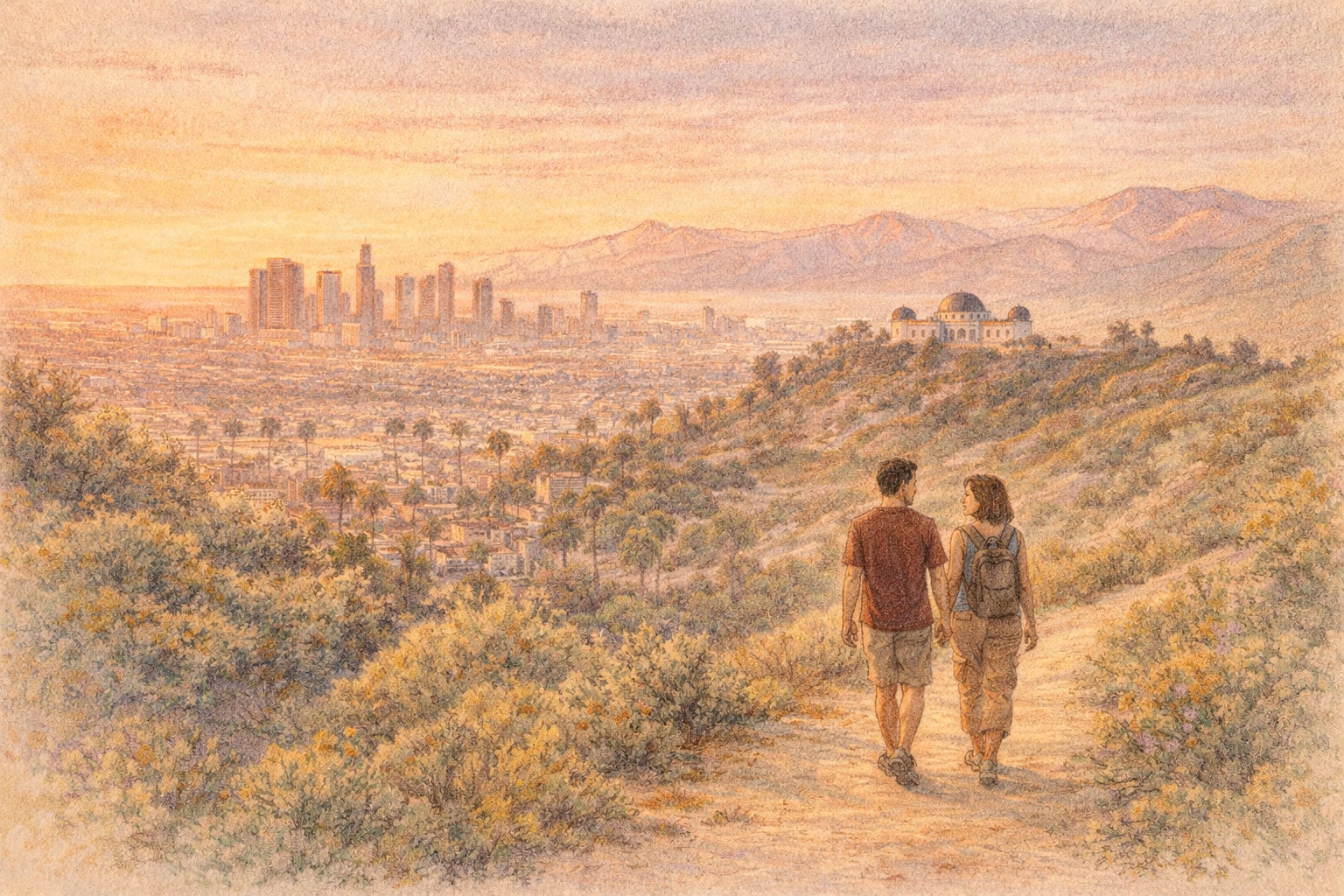
This guide is built for the people who actually live here. Not tourists hunting for celebrity homes or visitors looking for the best Instagram spots. Residents. The people who need to know which hospital serves their neighborhood, how the Metro system actually works, where to find affordable healthcare, which parks have real hiking trails, how tenant protections work in this city, and the thousand other pieces of practical information that make life in Los Angeles function.
We have organized everything by category and by region so you can find what you need fast. Bookmark this page. Share it with your neighbors. Come back to it every time LA throws something new at you.
Part 1: Healthcare and Medical Services
Los Angeles County has one of the most extensive public and private healthcare networks in the country, serving a population of over 10 million people.
The LA County Department of Health Services (DHS)
The LA County Department of Health Services operates the second-largest municipal health system in the nation, providing care to approximately 600,000 unique patients annually regardless of ability to pay or immigration status. The system includes four major hospitals and a network of community health centers.
LAC+USC Medical Center (2051 Marengo Street, Lincoln Heights) is the flagship facility, one of the largest public hospitals in the Western United States. It provides comprehensive acute care, a Level I Trauma Center, burn center, and serves as a primary teaching hospital for the Keck School of Medicine at USC.
Harbor-UCLA Medical Center (1000 West Carson Street, Torrance) serves the South Bay and Harbor communities with emergency, surgical, and specialty care. It operates a Level I Trauma Center and is affiliated with the David Geffen School of Medicine at UCLA.
Olive View-UCLA Medical Center (14445 Olive View Drive, Sylmar) serves the San Fernando Valley and northern LA County with emergency, inpatient, and outpatient services.
Rancho Los Amigos National Rehabilitation Center (7601 East Imperial Highway, Downey) is one of the premier rehabilitation hospitals in the nation, specializing in spinal cord injury, traumatic brain injury, stroke, and other conditions requiring comprehensive rehabilitation.
The DHS also operates the Martin Luther King Jr. Community Hospital (1680 East 120th Street, Willowbrook) through a partnership, serving South LA communities.
Community Health Centers
LA County’s network of community health centers and clinics provides primary care, dental care, and behavioral health services in underserved neighborhoods. Major networks include:
AltaMed Health Services operates over 50 locations primarily serving Latino communities across East LA, Commerce, Santa Ana, and other areas. They provide primary care, dental, behavioral health, and senior services regardless of insurance status.
Northeast Valley Health Corporation operates community health centers in the San Fernando and Santa Clarita Valleys, providing affordable primary and preventive care.
St. John’s Community Health serves communities in South LA, Compton, and other areas with comprehensive primary care and social services.
JWCH Institute operates health centers focused on homeless and underserved populations across LA County.
Medi-Cal (California Medicaid)
Medi-Cal is California’s Medicaid program, providing free or low-cost health coverage to qualifying low-income residents. In LA County, Medi-Cal managed care is administered primarily through LA Care Health Plan and Health Net, both of which maintain extensive provider networks throughout the county.
California expanded Medi-Cal eligibility to all income-eligible adults regardless of immigration status. Apply through Covered California (coveredca.com) or at your local Department of Public Social Services (DPSS) office.
My Health LA
My Health LA is a no-cost healthcare program for LA County residents who do not qualify for Medi-Cal or other insurance and who meet income requirements. The program provides primary care, specialty care, prescription drugs, and limited hospital services through participating community health centers. Enroll at any participating clinic.
Major Private Hospital Systems
Cedars-Sinai Medical Center (Beverly Grove) is one of the most prestigious hospitals in the Western United States, consistently ranked among the nation’s best. Its emergency department, heart institute, cancer center, and specialty programs serve patients from across Southern California.
UCLA Health operates Ronald Reagan UCLA Medical Center in Westwood, UCLA Medical Center - Santa Monica, and dozens of outpatient facilities across the Westside, the Valley, and beyond. UCLA Health is consistently ranked among the top hospitals nationally.
Keck Medicine of USC operates from the Keck Hospital of USC and USC Norris Comprehensive Cancer Center near the Health Sciences Campus in Lincoln Heights.
Kaiser Permanente operates multiple medical centers across LA County, including major facilities in Los Angeles (Sunset Boulevard), Panorama City, West LA, Baldwin Park, and Downey. Kaiser’s integrated model provides insurance and care delivery in one system.
Providence (formerly Providence St. Joseph Health) operates hospitals including Providence Saint Joseph Medical Center in Burbank, Providence Holy Cross Medical Center in Mission Hills, and Providence Tarzana Medical Center.
Adventist Health operates White Memorial Medical Center in Boyle Heights and Adventist Health Glendale.
Mental Health Resources
LA County Department of Mental Health (DMH) is the largest county mental health department in the nation, providing services to over 250,000 residents annually. DMH operates directly and through contract agencies, providing outpatient, crisis, and inpatient services.
The DMH ACCESS Hotline (800-854-7771) provides 24/7 information, referral, and crisis intervention for mental health and substance use. Available in multiple languages.
988 Suicide and Crisis Lifeline: Call or text 988 for immediate support.
Didi Hirsch Mental Health Services operates one of the most recognized crisis centers in the nation, including the Suicide Prevention Center, serving communities across LA County.
Urgent Care
Major urgent care chains in LA include CityMD, GoHealth Urgent Care, Exer Urgent Care, and Carbon Health, with locations scattered across every region. Most accept insurance; cash-pay rates typically range from $150 to $300 per visit for uninsured patients.
For lower-cost options, community health centers offer same-day and walk-in appointments at sliding-scale fees.
Part 2: Transportation
The secret to happiness in LA is living near where you work. That said, understanding the full transportation landscape is essential for navigating this enormous city.
LA Metro Rail
The LA Metro Rail system consists of six lines covering 107 stations across the county. The system combines two subway (rapid transit) lines and four light rail lines.
B Line (Red): Subway from Union Station through Hollywood to North Hollywood. Key stops include Civic Center, Pershing Square, Hollywood/Highland, and Universal City/Studio City.
D Line (Purple): Subway from Union Station through Koreatown. As of early 2026, the D Line extension has opened three new stations at Wilshire/La Brea, Wilshire/Fairfax (serving the Museum Row/Miracle Mile area), and Wilshire/La Cienega (at the edge of Beverly Hills). Future phases will extend to Century City and Westwood/UCLA by 2027.
A Line (Blue/Gold): Light rail from Long Beach through Downtown LA to Azusa, with a September 2025 extension adding stations to Pomona. This is one of the longest light rail lines in the world.
E Line (Expo): Light rail from Downtown LA through Culver City to Santa Monica. Provides car-free access from DTLA to the beach.
C Line (Green): Light rail serving the South Bay and connecting to the new LAX/Metro Transit Center.
K Line (Crenshaw): Light rail connecting the Crenshaw corridor, Inglewood, and connecting to the C Line at LAX/Metro Transit Center. The K Line serves the Inglewood area near SoFi Stadium.
Fares: The base fare is $1.75 per ride using a TAP card. Daily fare cap is $5.00; weekly cap is $18.00. After reaching the cap, additional rides are free. This makes Metro one of the most affordable transit systems in the country.
TAP cards can be purchased at Metro stations, online, or at retail locations. The TAP system works across Metro and 25 other transit agencies in the region.
Metro Bus
Metro operates an extensive bus network covering over 170 routes across the county. Metro Rapid buses (designated with “7xx” route numbers) offer limited stops and faster service on major corridors. The same $1.75 fare and TAP card system applies, with free transfers between bus and rail within a two-hour window.
Key bus corridors include the Wilshire Rapid (720), Vermont Rapid (754), and the Metro Liner routes (Orange Line through the Valley on a dedicated busway, and the Silver Line along the Harbor Transitway).
Other Transit Agencies
LA County is served by over two dozen municipal transit agencies beyond Metro:
DASH (Downtown Area Short Hop) buses operate free or low-cost routes in Downtown LA and several other neighborhoods. Routes serve Chinatown, Little Tokyo, Boyle Heights, Lincoln Heights, Los Feliz, and other areas.
Santa Monica Big Blue Bus serves Santa Monica, Westwood/UCLA, and Venice with frequent service and connections to Metro.
Culver CityBus provides local service in and around Culver City.
Long Beach Transit serves Long Beach and surrounding communities.
Foothill Transit serves the San Gabriel Valley and Inland Empire.
LADOT Transit operates commuter express buses from various neighborhoods to Downtown LA.
Driving and Freeways
For most Angelenos, driving remains the primary mode of transportation. Understanding the freeway system is essential:
The 101 (Hollywood Freeway/Ventura Freeway): Runs from Downtown LA through Hollywood, over the Cahuenga Pass, and through the San Fernando Valley.
The 405 (San Diego Freeway): The busiest freeway in the nation, running north-south through the Westside, the Sepulveda Pass, and the Valley.
The 10 (Santa Monica Freeway/San Bernardino Freeway): Runs east-west from Santa Monica through Downtown LA and into the Inland Empire.
The 110 (Harbor Freeway/Pasadena Freeway): Runs from San Pedro through Downtown LA to Pasadena. The Pasadena section is the oldest freeway in the Western United States.
The 5 (Golden State Freeway/Santa Ana Freeway): The primary north-south artery through the eastern side of the region.
The 2 (Glendale Freeway): Connects Eagle Rock and Glendale to the 5 and the 134.
The 134 (Ventura Freeway): Runs east-west through Glendale, connecting to the 101 in the Valley.
The 710 (Long Beach Freeway): Runs from Downtown LA to the Port of Long Beach.
Rush hour traffic on LA freeways is legendary and extends from approximately 7 to 10 AM and 3:30 to 7 PM on weekdays. Surface streets often provide faster alternatives during peak hours, though local knowledge of specific routes is essential.
Airports
Los Angeles International Airport (LAX): The region’s primary airport, located in Westchester. The LAX Automated People Mover, opening in 2026, will connect the airline terminals to the new LAX/Metro Transit Center, providing direct rail access to the airport for the first time.
Hollywood Burbank Airport (BUR): Preferred by many locals for domestic flights due to its smaller size and easier access. Located in Burbank, it is served by Metrolink and local bus service.
Long Beach Airport (LGB): Small, convenient airport serving primarily JetBlue and Southwest routes.
Ontario International Airport (ONT): Located in the Inland Empire, it serves as an alternative for residents of the eastern portion of the metro area.
Ride-Hailing and Taxis
Uber and Lyft operate extensively throughout LA County. Traditional taxi service is available but far less common than app-based rides. LA’s sprawl means ride-hailing costs can add up quickly; a ride from LAX to Hollywood can easily exceed $40 during peak hours.
Part 3: Parks, Recreation, and Outdoor Life
Los Angeles offers some of the best outdoor recreation in any major city on Earth. Mountains, beaches, forests, and urban parks provide year-round outdoor access.
Mountain and Hillside Parks
Griffith Park (4,310 acres) is one of the largest urban parks in North America. It contains the Griffith Observatory, the LA Zoo, the Autry Museum of the American West, the Greek Theatre, over 70 miles of hiking trails, and sweeping views of the Hollywood Sign, Downtown LA, and the Pacific Ocean on clear days. Key trails include the Griffith Observatory loop, the Hollywood Sign trail via Brush Canyon, and the more challenging Mount Hollywood trail.
Runyon Canyon Park in Hollywood offers accessible hiking with panoramic views of the city. Popular with locals for daily exercise and dog walking (off-leash areas available). Access from Fuller Avenue or Vista Street.
Temescal Gateway Park in Pacific Palisades provides trails through the Santa Monica Mountains with views of the ocean. The Temescal Ridge Trail connects to the broader Santa Monica Mountains trail network.
Topanga State Park encompasses over 11,000 acres of the Santa Monica Mountains with trails ranging from easy walks to strenuous mountain hikes. The park’s trails offer coastal sage scrub, oak woodlands, and dramatic ocean views.
Eaton Canyon Natural Area in Pasadena features a popular trail to a 40-foot waterfall, one of the most-visited hikes in the San Gabriel foothills.
Kenneth Hahn State Recreation Area in Baldwin Hills offers 5 miles of trails, a fishing lake, and stunning 360-degree views from the hilltop to the ocean, mountains, and Downtown skyline.
Baldwin Hills Scenic Overlook provides a steep staircase climb and trail to one of the best viewpoints in the entire basin, with views from the mountains to the sea.
Beach Parks
LA County’s coastline stretches approximately 75 miles, with public beaches from Malibu to Long Beach.
Santa Monica State Beach is the iconic LA beach, with the famous Santa Monica Pier, a wide sand beach, and the Marvin Braude Bike Trail (The Strand) connecting to Venice and beyond.
Venice Beach offers the Venice Boardwalk, Muscle Beach, the Venice Skatepark, and one of the most colorful people-watching scenes in the world.
Manhattan Beach, Hermosa Beach, and Redondo Beach (the South Bay beach cities) offer cleaner, less crowded beaches with charming downtown areas, excellent restaurants, and a strong local community feel.
Malibu’s beaches include Zuma Beach (wide and family-friendly), Point Dume (dramatic coastal views), and El Matador State Beach (stunning rock formations and cove setting).
Long Beach offers a different coastal experience with its protected harbor, the Queen Mary, and Belmont Shore’s vibrant commercial district.
Urban Parks
Echo Park Lake has been restored and reopened as a community gathering space with lotus flowers, pedal boats, and the iconic Downtown skyline backdrop.
Grand Park in Downtown LA (between City Hall and the Music Center) provides 12 acres of green space, a splash pad, and community event programming in the heart of the civic center.
Pan Pacific Park in the Fairfax District, Elysian Park near Dodger Stadium, and MacArthur Park in Westlake each serve their surrounding communities with recreation space and community programming.
The Los Angeles River is undergoing a long-term revitalization. Currently, the LA River bike path provides a paved multi-use trail along sections of the river through the Valley, Glendale, Atwater Village, and into Downtown.
The Santa Monica Mountains National Recreation Area
The Santa Monica Mountains National Recreation Area is the largest urban national park in the United States, encompassing over 150,000 acres of mountains, canyons, and coast stretching from Hollywood to Point Mugu. Hundreds of miles of trails provide hiking, mountain biking, and horseback riding opportunities ranging from easy nature walks to strenuous backcountry routes.
Key areas within the range include Malibu Creek State Park (site of the former MAS*H television set), Solstice Canyon, Escondido Falls, Point Mugu State Park, and the Backbone Trail (a 67-mile end-to-end trail crossing the entire range).
The San Gabriel Mountains National Monument
The San Gabriel Mountains rise dramatically behind the LA basin, providing wilderness access within an hour of Downtown. The Angeles National Forest covers over 700,000 acres and offers hiking, camping, fishing, and winter snow activities.
Mount Wilson provides panoramic views of the entire basin and houses the historic Mount Wilson Observatory. Mount Baldy (10,069 feet) is the highest peak in LA County. The Bridge to Nowhere in the San Gabriel Canyon is one of the region’s most popular hikes.
An Adventure Pass ($5 daily or $30 annually) is required for parking at most Angeles National Forest trailheads.
Part 4: Libraries
Los Angeles Public Library (LAPL)
The Los Angeles Public Library is one of the largest public library systems in the country, operating 73 branch libraries plus the Central Library in Downtown LA (630 West Fifth Street). The Central Library is an architectural landmark with an extraordinary collection and a full calendar of free programming.
LAPL provides free library cards to all California residents. Services include access to millions of books, e-books, and audiobooks. Free WiFi and computer access at all branches. Meeting rooms and study spaces. Streaming services through Kanopy and Hoopla. Digital magazines and newspapers. Free museum passes through the Discover & Go program. Job search assistance and career resources. Citizenship and ESL classes. Children’s and teen programming year-round. Tax preparation assistance (seasonal).
County of Los Angeles Public Library
The LA County Library system serves unincorporated areas and many smaller cities within the county, operating 87 libraries across the region. This system serves communities not covered by the LAPL or by independent city library systems.
Independent City Libraries
Several incorporated cities within the LA area operate their own library systems, including Santa Monica Public Library, Pasadena Public Library, Burbank Public Library, Glendale Library, Long Beach Public Library, and others. These systems maintain their own cards and collections but often participate in interlibrary loan programs.
Part 5: Education
K-12 Public Schools
The Los Angeles Unified School District (LAUSD) is the second-largest school district in the United States, serving approximately 420,000 students across 1,000+ schools. LAUSD covers the City of Los Angeles and several surrounding communities.
LAUSD operates on an open enrollment system, meaning families can apply to schools outside their residential area through the Choices program. Magnet schools, charter schools, and various specialized programs provide options beyond neighborhood schools.
Beyond LAUSD, LA County is served by over 80 school districts. Pasadena Unified, Burbank Unified, Glendale Unified, Santa Monica-Malibu Unified, Beverly Hills Unified, and Long Beach Unified are among the most notable.
Charter schools have a significant presence in LA, with over 200 charter schools operating within LAUSD boundaries alone.
Higher Education
University of California, Los Angeles (UCLA) in Westwood is one of the most prestigious public universities in the world. Its campus includes the Hammer Museum, Royce Hall, and extensive athletics facilities.
University of Southern California (USC) near Downtown LA is a major private university known for its film school, business school, and Trojan athletics.
California State University system has multiple campuses in the area including Cal State LA, Cal State Northridge (CSUN), Cal State Dominguez Hills, and Cal State Long Beach, providing affordable four-year education.
Los Angeles Community College District (LACCD) operates nine community colleges across the city, including LA City College, LA Trade-Technical College, East LA College, West LA College, and others. Community college tuition is among the lowest in the nation.
California Promise Grant (formerly BOG Fee Waiver) provides free tuition at California community colleges for qualifying students.
Part 6: Housing and Tenants’ Rights
Rent Control and Stabilization
The Los Angeles Rent Stabilization Ordinance (RSO) covers approximately 624,000 rental units in the City of Los Angeles, primarily in buildings with two or more units built before October 1978. RSO limits annual rent increases (set by the Rent Adjustment Commission) and provides protections against eviction without just cause.
Just Cause Eviction: Landlords in RSO units can only evict tenants for specific reasons listed in the ordinance, such as nonpayment of rent, breach of lease, or owner move-in.
The California Tenant Protection Act (AB 1482) provides statewide rent caps and just-cause eviction protections for many units not covered by local rent control, including newer buildings and single-family homes (with some exceptions).
Key Tenant Resources
LA Housing Department (LAHD): 866-557-7368 or hcidla.lacity.org. Handles rent stabilization inquiries, code enforcement, and tenant complaints.
Stay Housed LA: Free legal assistance for LA County tenants facing eviction. Call 213-985-4357.
Housing Rights Center: Provides free counseling and legal assistance regarding housing discrimination, tenant rights, and landlord disputes. Call 800-477-5977.
LA County Department of Consumer and Business Affairs: Investigates tenant complaints and provides mediation services.
Finding Housing
The LA rental market is one of the most expensive in the country. Average one-bedroom rents range from approximately $1,500 in less-central neighborhoods to $3,000+ in premium areas like Santa Monica, West Hollywood, and Beverly Hills.
Affordable housing lotteries for income-restricted apartments are listed on Housing Authority of the City of Los Angeles (HACLA) and through individual development listings. Wait times for Section 8 vouchers and public housing can be years long.
Apartments.com, Zillow, Craigslist, and Westside Rentals are the primary platforms for finding market-rate rentals.
Part 7: Region-by-Region Neighborhood Guide
Downtown LA (DTLA)
Downtown Los Angeles has undergone a dramatic transformation over the past two decades. Once virtually abandoned after dark, DTLA now features a thriving arts and dining scene, significant residential development, and major cultural institutions.
The Arts District is home to galleries, breweries, creative restaurants, and former industrial buildings converted to loft living. Hauser & Wirth gallery, Angel City Brewery, and the Kobe Mural are neighborhood landmarks.
Little Tokyo is one of only three remaining Japantowns in the United States. The Japanese American National Museum, Daikokuya ramen, and the Japanese Village Plaza define the neighborhood.
Chinatown offers dim sum restaurants, art galleries, and one of the city’s oldest cultural communities.
The Historic Core along Broadway features restored movie palaces from the 1920s and 1930s, many now converted to event spaces, retail, and restaurants. The Grand Central Market is a food hall institution dating to 1917.
Bunker Hill houses the Walt Disney Concert Hall, the Broad Museum, MOCA, and the Music Center, creating one of the most concentrated cultural districts in the western United States.
The Financial District centers on Figueroa Street with office towers, hotels, and the Figueroa corridor’s growing restaurant scene.
Hollywood and Surrounding Neighborhoods
Hollywood is both a neighborhood and a state of mind. The Walk of Fame, the Chinese Theatre, and the Capitol Records Building are tourist landmarks, but the neighborhood also has a growing residential population and improving dining and nightlife.
West Hollywood (WeHo) is a politically independent city known for its LGBTQ+ community, the Sunset Strip, world-class restaurants, and vibrant nightlife. The WeHo PickUp free shuttle runs along Santa Monica Boulevard.
Los Feliz borders Griffith Park and offers a walkable village atmosphere with independent shops, restaurants, and vintage theaters. The Los Feliz Theater and Skylight Books are neighborhood institutions.
Silver Lake is a trendy neighborhood centered around its reservoir, with independent coffee shops, boutiques, and a strong creative community. The Silver Lake Reservoir walking path provides a 2.2-mile loop.
Echo Park surrounds the restored Echo Park Lake, with a mix of long-time Latino community and newer residents. The neighborhood’s food scene spans pupuserias to craft cocktail bars.
East Hollywood and Thai Town along Hollywood Boulevard between Western and Normandie offer some of the best Thai food in the United States.
The Westside
Beverly Hills is an independent city known for Rodeo Drive, luxury shopping, and palatial residential estates. The newly opened D Line Metro station at Wilshire/La Cienega brings subway access to the city’s eastern edge for the first time.
Westwood is home to UCLA and the Hammer Museum. Westwood Village has a growing restaurant scene adjacent to the university campus.
Brentwood is an upscale residential neighborhood near the Getty Center, with excellent dining along San Vicente Boulevard and Montana Avenue.
Santa Monica is an independent city offering beach access, the Third Street Promenade, Montana Avenue shopping, and the E Line Metro connection to Downtown. The Santa Monica Farmer’s Market on Wednesday and Saturday mornings is one of the best in Southern California.
Venice blends beach culture, tech startups (Silicon Beach), and a bohemian spirit that dates to its founding as a canal community. Abbot Kinney Boulevard is a destination shopping and dining street.
Culver City has transformed from a sleepy industrial area into a culinary and cultural hotspot, with major galleries, restaurants, and the Apple TV+ headquarters. The E Line connects Culver City to Downtown and Santa Monica.
West Adams and Leimert Park are historically significant African American neighborhoods experiencing rapid change. Leimert Park is often called the cultural heart of Black Los Angeles, with the Vision Theatre, art galleries, and community gathering spaces.
The Eastside
Boyle Heights is the historic heart of Mexican-American Los Angeles, with a vibrant food scene centered on Mariachi Plaza, Hollenbeck Park, and the neighborhood’s many family-run restaurants and bakeries.
Highland Park has become one of LA’s most popular neighborhoods, with a thriving food and bar scene along York Boulevard and Figueroa Street. The neighborhood’s Craftsman homes and proximity to the Arroyo Seco make it particularly appealing.
Eagle Rock offers a small-town feel within the city, with the Eagle Rock Boulevard commercial district, proximity to Occidental College, and a strong sense of community.
Glassell Park and Atwater Village offer quieter residential living with growing restaurant scenes and easy access to the LA River bike path and Griffith Park.
Pasadena (an independent city) is known for the Rose Bowl, the Norton Simon Museum, Old Town’s dining and shopping district, and the Jet Propulsion Laboratory. Pasadena’s Craftsman bungalows and tree-lined streets give it a distinctly different character from the rest of LA.
The San Fernando Valley
The Valley covers approximately 260 square miles of relatively flat terrain north of the Santa Monica Mountains. Once dismissed as suburban sprawl, the Valley is home to 1.8 million people and increasingly recognized for its diverse food scene, family-friendly neighborhoods, and (relatively) more affordable housing.
Studio City offers Ventura Boulevard’s restaurant row, proximity to CBS Radford Studios, and Fryman Canyon hiking trails.
Sherman Oaks centers on the Ventura Boulevard commercial corridor with excellent dining, the Sherman Oaks Galleria, and easy access to the 101 and 405.
Burbank (an independent city) is the media capital of LA, home to Warner Bros., Disney, and NBC/Universal Studios. Downtown Burbank has developed a charming restaurant and shopping district.
North Hollywood (NoHo) has the NoHo Arts District centered around Lankershim Boulevard, with theaters, galleries, and a growing nightlife scene. The B Line Metro terminates here, providing direct subway access to Hollywood and Downtown.
Encino, Tarzana, and Woodland Hills offer quieter suburban living with access to the Santa Monica Mountains and Ventura Boulevard amenities.
Van Nuys, Panorama City, and Arleta provide more affordable housing options in the central and eastern Valley.
Glendale (an independent city) has a large Armenian-American community, the Americana at Brand shopping center, and proximity to the Verdugo Mountains for hiking.
South LA
South Los Angeles encompasses a large area south of the 10 Freeway and west of the Alameda Corridor, historically referred to as South Central. The region has a rich cultural heritage as the center of Black Los Angeles, though its demographics have shifted significantly with a growing Latino majority.
Crenshaw is anchored by the Crenshaw Boulevard commercial corridor. The new K Line brings light rail to the neighborhood for the first time, connecting it to LAX and the broader Metro system.
Inglewood has been transformed by the construction of SoFi Stadium (home of the Rams and Chargers) and the Intuit Dome (home of the Clippers). The K Line serves Inglewood, and the area is preparing for the 2028 Olympic Games.
Watts is home to the Watts Towers, a landmark of folk art and one of the most significant pieces of outsider art in the world.
Compton (an independent city) has a rich musical heritage as the birthplace of West Coast hip-hop and is experiencing new investment and development.
The Beach Cities and Coastal Communities
Malibu stretches 21 miles along the coast, offering some of the most spectacular beaches in California. Point Dume, Zuma Beach, and Surfrider Beach are favorites. The Santa Monica Mountains rise directly behind the coast, providing hiking access steps from the sand.
The South Bay (Manhattan Beach, Hermosa Beach, Redondo Beach) offers a beach-town lifestyle with excellent schools, walkable downtowns, and a strong community atmosphere. These are among the most desirable (and expensive) residential areas in the region.
San Pedro and the Port of Los Angeles anchor the southern end of LA’s coast. San Pedro has developed a growing arts and dining scene while maintaining its working-waterfront character. The Korean Bell of Friendship in Angel’s Gate Park offers panoramic views of the harbor.
Long Beach (an independent city, population approximately 460,000) functions almost as its own major city. It offers a diverse waterfront downtown, the Aquarium of the Pacific, Belmont Shore’s vibrant commercial district, and a strong independent cultural identity.
Part 8: Dining - Region by Region
DTLA
The Grand Central Market (317 South Broadway) is the essential DTLA food experience, with vendors spanning tacos, Thai, ramen, Middle Eastern, and beyond. The Arts District has emerged as a restaurant destination with innovative fine dining and casual options. Little Tokyo provides excellent Japanese food from ramen to sushi to izakaya. Chinatown offers traditional dim sum and a growing wave of creative restaurants.
Hollywood and the Eastside
Thai Town along Hollywood Boulevard serves some of the best Thai food outside of Thailand. Koreatown is an absolute food destination, with Korean BBQ, fried chicken, jjigae, and 24-hour restaurants creating one of the most exciting food neighborhoods in the country. Boyle Heights and East LA provide exceptional Mexican food, from birria and carnitas to hand-pressed tortillas and fresh mole.
Highland Park and Eagle Rock have become dining destinations with creative restaurants and bars mixing with longtime neighborhood institutions.
The Westside
Santa Monica’s Farmer’s Market (Wednesday and Saturday) sources produce from some of the best farms in Southern California. Restaurants throughout Santa Monica, Venice, and Brentwood emphasize farm-to-table California cuisine. Sawtelle Japantown (along Sawtelle Boulevard in West LA) offers excellent Japanese food in a concentrated two-block stretch.
The Valley
The Valley’s strip-mall exteriors hide some of the best food in LA. Ventura Boulevard through Studio City and Sherman Oaks is a miles-long restaurant row. The Valley has exceptional sushi (particularly in Studio City and Encino), outstanding Mexican food throughout Van Nuys and Panorama City, Armenian restaurants in Glendale, and a growing craft beer scene in Burbank and North Hollywood.
South LA and the Beach Cities
Inglewood and South LA offer soul food, barbecue, and Mexican cuisine at neighborhood prices. Leimert Park has growing restaurant and cafe options. The South Bay beach cities offer excellent seafood, upscale California cuisine, and breweries.
Long Beach has one of the most diverse food scenes in the region, with excellent Cambodian food (the city has the largest Cambodian population outside of Cambodia in the United States), Mexican food, seafood, and a growing downtown restaurant scene.
Part 9: Financial Services and Benefits
CalFresh (SNAP/Food Stamps)
Apply for CalFresh benefits through the DPSS (Department of Public Social Services) at dpss.lacounty.gov or by calling 866-613-3777. Benefits are loaded onto a Golden State Advantage EBT card.
Market Match programs at participating farmers markets double the value of CalFresh dollars spent on fruits and vegetables (up to $10 per market visit).
General Relief
LA County provides General Relief cash assistance for single adults who do not qualify for other aid programs. Apply through DPSS offices.
LIHEAP (Energy Assistance)
The Low Income Home Energy Assistance Program helps qualifying households pay utility bills. Apply through community action agencies or at lacda.org.
Free Tax Preparation
VITA (Volunteer Income Tax Assistance) sites across LA County provide free tax preparation for qualifying residents. The EITC (Earned Income Tax Credit) can provide significant refunds for low-to-moderate income working families. Call 211 or visit 211la.org for the nearest VITA location.
211 LA
211 LA is the comprehensive social services information and referral hotline for LA County. Dial 211 or visit 211la.org for information about food assistance, housing, healthcare, mental health, utilities, legal services, and virtually any other social service need. Available 24/7 in multiple languages.
Part 10: Community Resources and Government Services
City of LA Services
The City of Los Angeles is governed by the Mayor and a 15-member City Council. Each Council District office provides constituent services including pothole repair, graffiti removal, street light outages, and other municipal issues.
MyLA311 is the city’s service request system. Report issues at lacity.org/myla311, call 311, or use the MyLA311 app.
LA Sanitation handles trash, recycling, and bulky item pickup. The city provides three bins (black for trash, blue for recycling, green for yard/food waste). Bulky item pickup is free for up to 11 items, seven times per year. Schedule at lacitysan.org or call 800-773-2489.
Neighborhood Councils
LA’s 99 Neighborhood Councils are the most grassroots level of city government, providing community input on local issues. Participation is open to all residents, workers, and stakeholders within each council’s boundaries. Find your Neighborhood Council at empowerla.org.
LA County Services
For residents living in unincorporated LA County areas or in incorporated cities that contract with the county for services, the LA County Board of Supervisors (five districts) governs county services including health, social services, public works, and the Sheriff’s Department.
Legal Services
Legal Aid Foundation of Los Angeles (LAFLA): Free civil legal services for low-income residents. Call 800-399-4529.
Neighborhood Legal Services of Los Angeles County (NLSLA): Free legal help in the Valley, Antelope Valley, and surrounding areas.
Public Counsel: The nation’s largest pro bono law firm, providing free legal help to low-income communities.
Immigrant Services
The Coalition for Humane Immigrant Rights (CHIRLA): Provides legal services, know-your-rights workshops, and community organizing. Call 888-624-4752.
CARECEN (Central American Resource Center): Legal and social services for the Central American community and other immigrants.
LA Justice Fund: Provides free immigration legal defense for LA County residents facing deportation.
Part 11: Cultural Institutions
Museums
LA’s museum landscape rivals any city in the world:
The Getty Center (Brentwood): Free admission. Spectacular hilltop campus with world-class art, architecture, and gardens overlooking the city. Parking costs $20.
The Getty Villa (Malibu): Free admission. Houses Greek, Roman, and Etruscan antiquities in a recreation of a Roman villa. Parking costs $20.
Los Angeles County Museum of Art (LACMA) (Miracle Mile): The largest art museum in the western United States. The new David Geffen Galleries building transforms the campus.
The Broad (Downtown): Free general admission to the Broad’s contemporary art collection. Timed entry reservations required.
Museum of Contemporary Art (MOCA) (Downtown and Geffen Contemporary in Little Tokyo): Free admission.
Natural History Museum of Los Angeles County (Exposition Park): One of the largest natural history museums in the country.
California Science Center (Exposition Park): Free permanent exhibition admission. Home to the Space Shuttle Endeavour and the new Samuel Oschin Air and Space Center.
The Huntington Library, Art Museum, and Botanical Gardens (San Marino): Extraordinary collections, gardens, and a major research library. One of the most beautiful cultural destinations in Southern California.
The Autry Museum of the American West (Griffith Park): Art and artifacts of the American West.
Japanese American National Museum (Little Tokyo): Documents the Japanese American experience.
Performing Arts
Walt Disney Concert Hall (Downtown): Home of the LA Philharmonic. Frank Gehry’s iconic stainless-steel design is a landmark.
The Hollywood Bowl (Hollywood Hills): The premier outdoor concert venue in Southern California, hosting the LA Philharmonic’s summer season and a wide range of other performances.
The Music Center (Downtown): Houses the Dorothy Chandler Pavilion (home of LA Opera), the Ahmanson Theatre, and the Mark Taper Forum.
The Greek Theatre (Griffith Park): Outdoor amphitheater hosting concerts from spring through fall.
Center Theatre Group produces Broadway-caliber theater at the Ahmanson, Taper, and the Kirk Douglas Theatre in Culver City.
Part 12: Seasonal Guide
The LA Climate
LA’s Mediterranean climate provides mild, dry summers and cool, wet winters. Average temperatures range from the mid-60s in winter to the upper 70s and 80s in summer, though inland areas (the Valley, Pasadena, the Inland Empire) regularly exceed 100 degrees during summer heat waves.
June Gloom: Marine layer fog often blankets coastal neighborhoods from late May through June, burning off by midday. Inland areas remain sunny.
Santa Ana Winds: Hot, dry winds from the inland deserts blow through the region primarily from October through March, creating extreme fire danger, high temperatures, and unusually clear skies.
Wildfire Season: LA faces significant wildfire risk, particularly during Santa Ana wind events. Residents in hillside and canyon neighborhoods should maintain defensible space around their homes and have evacuation plans ready. Monitor LA County Fire Department alerts and CAL FIRE updates during red flag warnings.
Earthquake Preparedness: LA sits on numerous fault lines, and earthquakes are a constant (though infrequent) risk. Every household should have an emergency kit with water (one gallon per person per day for at least three days), non-perishable food, flashlights, a battery-powered radio, first aid supplies, and important documents. Know how to shut off your gas meter. Download the MyShake app for earthquake early warnings.
Rain and Flooding
LA’s rainy season runs roughly from November through March. While annual rainfall averages only about 15 inches, storms can be intense, causing flash flooding in burn areas and low-lying communities. The LA River and other waterways can rise dangerously during heavy rain.
Part 13: Fitness and Outdoor Recreation
Hiking
Hiking is the quintessential LA activity. Key hikes by difficulty:
Easy: Runyon Canyon (Hollywood), Griffith Observatory trail, Silver Lake Reservoir loop, Kenneth Hahn trails.
Moderate: Temescal Gateway Park, Eaton Canyon waterfall, Solstice Canyon (Malibu), Echo Mountain (Altadena).
Challenging: Mount Hollywood, Mount Wilson, Bridge to Nowhere (San Gabriel Canyon), Backbone Trail segments.
Beaches
Beach access is free at all California public beaches. Parking costs vary. The best swimming beaches are Santa Monica, Manhattan Beach, Hermosa Beach, and Zuma Beach. The best surfing is at Malibu’s Surfrider Beach, Manhattan Beach, and the South Bay.
Cycling
The Marvin Braude Bike Trail (The Strand) runs 22 miles along the coast from Pacific Palisades to Torrance, providing one of the best urban cycling experiences in the country. The LA River Bike Path provides a paved off-street path through sections of the Valley and central LA.
Metro Bike Share operates in Downtown LA and surrounding areas, with e-bikes and standard bikes available.
Public Pools and Recreation Centers
The City of LA Department of Recreation and Parks operates 49 pools and over 180 recreation centers across the city. Many programs are free or low-cost.
Part 14: Utilities and Essential Services
Electricity
LADWP (Los Angeles Department of Water and Power) provides electricity and water to the City of Los Angeles. It is the nation’s largest municipally owned utility. Pay bills and report outages at ladwp.com or 800-342-5397.
Southern California Edison (SCE) serves areas outside the City of LA, including the San Gabriel Valley, much of the South Bay, and other suburban communities.
Gas
SoCalGas (Southern California Gas Company) provides natural gas to LA County. Report gas leaks immediately at 800-427-2200.
Water
LADWP provides water service within the City of LA. LA’s tap water meets all federal and state standards. Outside the city, water is provided by various municipal agencies and private water companies.
Trash and Recycling
The City of LA provides three-bin residential collection (trash, recycling, yard/food waste) through LA Sanitation. Bulky item pickup is free. The city’s organic waste program (green bin) now accepts food scraps in addition to yard waste, in compliance with California’s SB 1383 composting requirements.
Internet
Spectrum (Charter) and AT&T are the primary residential internet providers in much of LA. Frontier FiOS serves some areas with fiber-optic service. Google Fiber has begun service in limited areas.
Part 15: Pet Services
Dog Parks
LA has dozens of off-leash dog parks. Runyon Canyon allows off-leash dogs on most trails. Laurel Canyon Dog Park (Studio City) is one of the most popular. Griffith Park Dog Park near the Crystal Springs area provides a fenced off-leash area. Silver Lake Dog Park and Echo Park Dog Park serve the Eastside.
Animal Services
LA Animal Services operates six shelters across the city, providing adoption, licensing, and animal control services. Dog licenses are required for all dogs in the City of LA.
spcaLA and Best Friends Animal Society - Los Angeles are major animal welfare organizations providing adoption, veterinary care, and community programs.
Part 16: Safety and Emergency Preparedness
Emergency Numbers
911 for police, fire, and medical emergencies. 311 for non-emergency city services. 211 for social services information.
LAPD
The Los Angeles Police Department operates 21 community police stations (divisions) across the city. Find your division at lapdonline.org.
LA County Sheriff’s Department
The LA County Sheriff’s Department provides law enforcement services to unincorporated county areas and to dozens of cities that contract for police service.
Fire Department
LAFD (Los Angeles Fire Department) operates over 100 fire stations across the city, providing fire suppression, EMS, and urban search and rescue.
Earthquake Preparedness
Every LA resident should secure heavy furniture to walls, know where your gas shutoff valve is, maintain an emergency supply kit, and have a family communication plan. The Great ShakeOut (every October) is the world’s largest earthquake drill.
Part 17: Automotive Services
DMV
California DMV offices are notoriously busy. Make appointments online at dmv.ca.gov whenever possible. Major locations include the Hollywood, West Hollywood, Lincoln Park, Culver City, Winnetka, and Glendale offices.
Smog Checks
California requires biennial smog checks for most vehicles. STAR stations are certified for vehicles that have failed previous smog tests.
Parking
Parking is a defining challenge of LA life. Street parking regulations vary by neighborhood and are enforced vigorously. The ParkMobile app allows payment of metered parking from your phone. Residential parking permit zones exist in many neighborhoods near commercial areas and transit stations.
EV Charging
LA has one of the densest EV charging networks in the country. The ChargePoint, Tesla Supercharger, EVgo, and Electrify America networks all have extensive installations across the region. LADWP offers rebates for residential EV charger installation.
Part 18: Real Estate Overview by Region
DTLA: Studios from $1,800, one-bedrooms from $2,400. Loft-style living in converted industrial buildings. Growing but still developing residential infrastructure.
Hollywood/Silver Lake/Echo Park/Los Feliz: One-bedrooms from $2,000 to $2,800. Walkable, culturally vibrant, and close to Griffith Park.
Westside (Beverly Hills/Westwood/Brentwood/Santa Monica): Among the most expensive in LA. One-bedrooms from $2,800 to $4,500. Premium for beach access and top schools.
The Valley (Studio City/Sherman Oaks/Burbank): More space for your money. One-bedrooms from $1,800 to $2,500. Family-friendly with access to Ventura Boulevard amenities.
Eastside (Highland Park/Eagle Rock/Pasadena): Growing rapidly. One-bedrooms from $1,600 to $2,400. Craftsman architecture, community feel, and improving transit.
South LA/Inglewood: Most affordable within the city. One-bedrooms from $1,300 to $1,800. Improving transit with the K Line.
Beach Cities (Manhattan Beach/Hermosa/Redondo): Premium beach pricing. One-bedrooms from $2,500 to $3,500. Exceptional lifestyle.
Long Beach: More affordable coastal living. One-bedrooms from $1,600 to $2,200. Strong independent identity.
Part 19: The 2028 Olympics and What It Means for LA
Los Angeles will host the 2028 Summer Olympic and Paralympic Games, with events spread across the region. Key venues include SoFi Stadium (Inglewood), the Coliseum and Banc of California Stadium (Exposition Park), Crypto.com Arena and the Convention Center (Downtown), the Rose Bowl (Pasadena), and beach volleyball at Santa Monica Beach.
The lead-up to the Olympics is driving massive infrastructure investment including Metro rail extensions, the LAX Automated People Mover, road improvements, and facility upgrades across the city. The Twenty-Eight by ‘28 transit plan aims to have key projects completed in time for the Games.
Before the Olympics, LA will host the FIFA World Cup 2026 (matches at SoFi Stadium) and Super Bowl LXI (2027, also at SoFi Stadium).
Part 20: Essential Phone Numbers and Websites
All Emergencies: 911
City Services (non-emergency): 311
Social Services Information: 211 or 211la.org
LADWP (Electric/Water): 800-342-5397
SoCalGas: 800-427-2200
LA County DMH (Mental Health): 800-854-7771
988 Suicide and Crisis Lifeline: 988
Covered California (Health Insurance): coveredca.com
CalFresh (Food Assistance): 866-613-3777
LAHD (Housing/Rent Stabilization): 866-557-7368
Stay Housed LA (Eviction Help): 213-985-4357
Housing Rights Center: 800-477-5977
CHIRLA (Immigration Services): 888-624-4752
LA Metro: 323-466-3876 or metro.net
LAPL (Libraries): lapl.org
LA Parks and Recreation: laparks.org
LA Sanitation (Trash/Bulky Item Pickup): 800-773-2489
Closing Thoughts
Los Angeles rewards those who engage with it on its own terms. This is not a city that reveals itself from behind a windshield. The best of LA is found on foot, on a hiking trail, at a taco truck, in a neighborhood park, at a free museum, on a beach at sunset.
The sprawl that defines LA is also what gives it endless variety. Within an hour’s drive, you can go from a hike in the San Gabriel Mountains to a swim in the Pacific Ocean. You can eat Thai food in Hollywood, Korean BBQ in Koreatown, Mexican food in Boyle Heights, and Cambodian food in Long Beach, all in the same day.
The challenges are real. Traffic. Housing costs. Wildfire risk. Earthquake potential. But the quality of life available to those who find their niche, who discover their neighborhood, who learn the rhythms of this enormous and endlessly surprising city, is extraordinary.
Use this guide as a starting point. Explore the neighborhoods listed here, but also the ones in between. Try a restaurant in a strip mall you have driven past a hundred times. Hike a trail you have never been to. Take the Metro somewhere new. Visit a library branch in a part of the city you have never seen.
Los Angeles is a city that gives back everything you put into it. So put in the effort. The rewards are limitless.
This guide is maintained and updated regularly. Services, programs, and resources may change. When in doubt, call 211 for social services or 311 for city services. Share this guide with neighbors, friends, and anyone new to the City of Angels.
Part 21: Complete Hiking and Walking Guide by Region
Los Angeles is one of the greatest hiking cities in the world. Where else can you hike through mountain wilderness and drive to the beach in the same afternoon? Here is a detailed guide organized by region.
Griffith Park and Hollywood Hills
Griffith Observatory to Mount Hollywood (5 miles round trip, moderate): Start at the Observatory parking lot and follow the trail to the summit of Mount Hollywood (not where the Hollywood Sign is). Panoramic 360-degree views of the entire LA basin, the ocean, and the mountains. Best at sunrise or sunset.
Hollywood Sign via Brush Canyon Trail (6.4 miles round trip, moderate): The most direct route to the Hollywood Sign viewpoint. Starts from the Brush Canyon Drive trailhead and climbs through chaparral to the ridge behind the sign. Views of the Valley and the city are outstanding.
Fern Dell to Griffith Observatory (1.5 miles one way, easy): A shaded, gentle walk through the Fern Dell nature area, past small waterfalls and lush vegetation, emerging at the Observatory. One of the most pleasant easy walks in the city.
Bronson Caves (0.6 miles round trip, easy): Short hike to the caves used as the Batcave entrance in the 1960s Batman television series. Fun for families and movie buffs.
Runyon Canyon Full Loop (3.5 miles, moderate): Three route options of varying difficulty. The park allows off-leash dogs and provides stunning city views from every angle. Best on weekday mornings to avoid crowds.
Santa Monica Mountains
Temescal Gateway Park to Skull Rock (2.2 miles round trip, moderate): A popular Westside hike with ocean views. The rock formation at the top is a natural landmark.
Solstice Canyon (2.5 miles round trip, easy): A Malibu favorite with a gentle creekside trail leading to ruins of a burned estate and a seasonal waterfall. One of the most accessible family hikes in the mountains.
Escondido Falls (3.8 miles round trip, moderate): Trail to a 150-foot tiered waterfall, one of the tallest in the Santa Monica Mountains. Best after rainfall when the falls are flowing.
Malibu Creek State Park - Rock Pool Trail (3.5 miles round trip, easy-moderate): Walk through the filming location for MAS*H and other productions. The rock pool provides a scenic rest stop.
Backbone Trail (67 miles end-to-end): The ultimate Santa Monica Mountains challenge. Crosses the entire range from Will Rogers State Park to Point Mugu. Most hikers tackle it in segments over multiple trips.
Topanga Canyon Overlook (various routes): Multiple trail options through Topanga State Park offer coastal views, oak woodlands, and grasslands within the largest wildland area within a major city.
San Gabriel Mountains
Eaton Canyon Waterfall (3.5 miles round trip, easy-moderate): One of the most popular hikes in the foothills. The trail follows a wash to a 40-foot waterfall. Can be extremely crowded on weekends.
Echo Mountain via Sam Merrill Trail (5.4 miles round trip, moderate-strenuous): Climb to the ruins of the old Echo Mountain House resort, a Victorian-era mountaintop hotel. Stunning views and fascinating history.
Mount Wilson via Chantry Flat (14 miles round trip, strenuous): A challenging all-day hike to the summit of Mount Wilson (5,712 feet) and its historic observatory. Views extend to the ocean and across the entire basin.
Bridge to Nowhere (9.5 miles round trip, moderate): A unique hike through the East Fork of the San Gabriel River to an abandoned bridge in a remote canyon. Multiple river crossings required. Bungee jumping available at the bridge on weekends.
Mount Baldy via Baldy Bowl Trail (11 miles round trip, strenuous): The summit of the highest peak in LA County at 10,069 feet. A demanding alpine hike with potential snow through late spring.
Coastal Walks
The Strand / Marvin Braude Bike Trail (22 miles): The paved beachfront path from Pacific Palisades through Santa Monica, Venice, Marina del Rey, Playa del Rey, Manhattan Beach, Hermosa Beach, and Redondo Beach. Walkable in sections or as a full-day adventure.
Point Dume to Paradise Cove (2 miles one way, easy): Walk along the cliffside and beach at one of Malibu’s most dramatic coastal features. Whale watching during migration season (December through March).
Palos Verdes Peninsula Coastal Trail (various segments): The cliffside trails along the Palos Verdes Peninsula offer dramatic ocean views, tide pools, and a stunning lighthouse. Sections can be combined for longer walks.
Long Beach Shoreline Walk (approximately 5 miles): Walk from the Belmont Shore pier through the Shoreline Marina area, past the Queen Mary, and through the revitalized downtown waterfront.
Urban Walks
Silver Lake Reservoir Loop (2.2 miles, easy): A flat, paved loop around the reservoir with views of the Hollywood Sign and the San Gabriel Mountains. Popular with joggers, dog walkers, and families.
Los Angeles River Bike Path (various sections): Paved multi-use paths along sections of the LA River in the Valley (near Burbank) and central LA (from Glendale Narrows through Elysian Valley). The path provides a car-free corridor through urban neighborhoods.
Echo Park Lake Loop (0.7 miles, easy): Circle the restored lake past lotus flowers, pedal boats, and the famous Downtown skyline view. A casual stroll that captures one of LA’s most photogenic scenes.
Old Town Pasadena to the Arroyo Seco (variable distance): Walk from Pasadena’s charming commercial district down into the Arroyo Seco, past the Rose Bowl, and along the stream corridor that was the original route into the San Gabriel Valley.
Venice Canals Walk (approximately 1 mile, easy): Stroll along the remaining Venice Canals, a historic neighborhood of homes lining six short waterways connected by arched pedestrian bridges. One of the most unique walks in LA.
Part 22: Farmers Markets and Fresh Food Access
Major Year-Round Farmers Markets
Santa Monica Wednesday Market (Arizona Avenue and Third Street): Widely considered the best farmers market in Southern California. Over 75 farmers sell directly to the public, and many of LA’s top restaurant chefs shop here.
Santa Monica Saturday Market (Virginia Avenue Park): Smaller than Wednesday but equally high quality.
Hollywood Farmers Market (Ivar and Selma, Sundays): One of the largest and most popular markets in LA, with a huge selection of produce, prepared food, and artisan goods.
Silver Lake Farmers Market (Sunset Triangle Plaza, Saturdays): A community gathering point with excellent produce and food vendors.
Studio City Farmers Market (Ventura Place, Sundays): One of the best Valley markets, with a strong selection of local farms and prepared food.
South LA Farmers Market (Vermont and Manchester, Saturdays): Serving a historically underserved food community with fresh produce and affordable food options.
Torrance Certified Farmers Market (various days): Serving the South Bay with excellent produce and local food vendors.
Market Match / EBT Programs
Most LA farmers markets accept CalFresh/EBT and participate in Market Match programs that provide dollar-for-dollar matching on produce purchases (typically up to $10-$15 per market visit). This effectively doubles the purchasing power of CalFresh benefits at participating markets.
Grocery
Major chains include Ralphs, Vons, Trader Joe’s, Whole Foods, Aldi, Smart & Final, Food 4 Less, and Costco. Ethnic grocery stores provide specialty ingredients at excellent prices: H Mart (Korean/Asian) in Koreatown and the San Gabriel Valley, 99 Ranch Market (Chinese/Asian) in multiple locations, Super King (Armenian/Middle Eastern) in the Valley, and Vallarta Supermarkets (Mexican/Latin) in neighborhoods across the city.
Food Assistance
LA Regional Food Bank distributes food through a network of over 700 partner agencies. Call 323-234-3030 or visit their website for the nearest distribution site.
CalFresh (SNAP) application: 866-613-3777 or dpss.lacounty.gov.
Part 23: Childcare and Family Services
Transitional Kindergarten and Free Pre-K
California now offers Transitional Kindergarten for all four-year-olds, and is phasing in earlier eligibility. Transitional Kindergarten is provided through public schools at no cost to families.
LAUSD’s Early Childhood Education program provides free preschool for qualifying three- and four-year-olds.
Head Start and Early Head Start programs operate throughout LA County, providing free early childhood education and family support services for low-income families.
Child Care Resources
Child Care Alliance of Los Angeles provides referrals to licensed child care providers across the county. Call 888-92-CHILD.
CalWORKs provides child care assistance for low-income families participating in welfare-to-work programs.
The Child Care Resource Center (CCRC) in the San Fernando Valley and Crystal Stairs in South LA administer subsidized child care programs.
Family Recreation
LA Parks and Recreation operates over 180 recreation centers with programs for children and families. Many programs are free or very low cost. Summer day camps, sports leagues, arts classes, and after-school programs are available at recreation centers across the city.
Los Angeles Zoo (Griffith Park), the Natural History Museum (Exposition Park), and the California Science Center (free admission) all offer family programming.
Part 24: Senior Services
LA County Aging and Disabilities Department
The LA County Aging and Disabilities Department coordinates services for older adults and people with disabilities across the county, including nutrition programs, in-home supportive services, adult day care, and caregiver support.
Information and Assistance Hotline: 800-510-2020. Provides information about services, benefits, and resources for older adults.
Senior Nutrition
Congregate meal programs provide free meals at senior centers and community sites across the county. Home-delivered meal programs (Meals on Wheels and similar) serve homebound seniors. Contact 211 or 800-510-2020 to connect with meal programs in your area.
IHSS (In-Home Supportive Services)
IHSS provides personal care assistance (bathing, dressing, meal preparation, housecleaning) for qualifying low-income elderly and disabled individuals who wish to remain in their homes. The program is available to Medi-Cal recipients. Apply through DPSS offices.
Transit for Seniors
Metro offers reduced fares for seniors age 62 and older with a Senior TAP card. All Metro buses and trains are accessible. Access Services provides ADA paratransit for people with disabilities who cannot use fixed-route transit. Call 800-827-0829.
Part 25: Places of Worship and Spiritual Communities
Los Angeles is home to an extraordinary diversity of religious communities reflecting its global population.
The Cathedral of Our Lady of the Angels (Downtown): The seat of the Catholic Archdiocese of Los Angeles, designed by architect Rafael Moneo. One of the most significant pieces of religious architecture in the country.
Wilshire Boulevard Temple: The oldest Jewish congregation in LA, housed in a stunning Byzantine Revival synagogue.
Islamic Center of Southern California (Koreatown): One of the oldest and most prominent mosques in the western United States.
Hsi Lai Temple (Hacienda Heights): One of the largest Buddhist temples in the Western Hemisphere, with stunning architecture and peaceful grounds open to visitors.
BAPS Shri Swaminarayan Mandir (Chino Hills): An intricately carved Hindu temple drawing visitors from across Southern California.
Sikh Gurdwaras serve communities in the San Fernando Valley, Pacoima, and surrounding areas.
African American churches have been central to community life in South LA, Inglewood, and other neighborhoods for generations. First AME Church of Los Angeles is one of the oldest and most historically significant.
Korean Christian churches are numerous throughout Koreatown and the San Fernando Valley, reflecting the large Korean-American population.
Armenian Apostolic churches serve the significant Armenian communities in Glendale, Pasadena, and the Valley.
The diversity of spiritual life in LA is virtually limitless, with communities representing every major world religion and countless independent and alternative spiritual traditions.
Part 26: Sustainability and Environmental Resources
Recycling and Composting
The City of LA’s green bin program now accepts food scraps in addition to yard waste, in compliance with California’s SB 1383 organic waste reduction requirements. LASAN provides free composting workshops and distributes subsidized compost bins.
Solar and Energy Efficiency
LADWP offers rebates for residential solar panel installation, battery storage, and energy-efficient appliances. The utility’s Solar Incentive Program has helped make LA one of the leading cities for rooftop solar in the country.
EV Incentives
California offers significant incentives for electric vehicle purchases, including the Clean Vehicle Rebate Project (CVRP) and additional low-income EV programs. LADWP provides rebates for home EV charger installation.
Community Gardens
LA Community Garden Council supports over 100 community gardens across the city. Plots are available to residents on a first-come, first-served or lottery basis. Many gardens offer free plots or nominal annual fees.
Urban Forestry
City Plants (formerly Million Trees LA) provides free shade trees to LA residents. Trees reduce cooling costs, improve air quality, and increase property values. Request a free tree at cityplants.org.
Part 27: Arts and Entertainment Beyond Museums
Live Music Venues
LA’s live music scene spans every genre. The Hollywood Bowl (summer), The Greek Theatre (spring-fall), and The Ford (summer) are the premier outdoor venues. The Troubadour (West Hollywood), The Roxy (Sunset Strip), The Echo and Echoplex (Echo Park), Zebulon (Frogtown), and The Lodge Room (Highland Park) anchor the indie and alternative scene. Crypto.com Arena (Downtown) and SoFi Stadium (Inglewood) host the biggest tours.
Comedy
LA is the comedy capital of the world. The Comedy Store (Sunset Strip), The Laugh Factory (Hollywood), The Improv (Hollywood), and Largo at the Coronet (Beverly Grove) are legendary clubs. Open mics and alternative comedy shows happen nightly across the Eastside and Hollywood.
Film
The Academy Museum of Motion Pictures (Miracle Mile) is the only museum in the country dedicated to the art, science, and artists of filmmaking. American Cinematheque programs at the Egyptian Theatre (Hollywood) and Aero Theatre (Santa Monica) screen classic, independent, and foreign films.
Rooftop Cinema Club and various outdoor screening series offer seasonal outdoor movie experiences.
Street Art
LA’s street art scene is among the most vibrant in the world. The Arts District Downtown, Melrose Avenue in Hollywood, and neighborhoods throughout the Eastside feature murals by internationally recognized artists. Self-guided walking tours of street art provide free cultural experiences.
Part 28: Neighborhood Council Participation
LA’s 99 Neighborhood Councils represent one of the largest systems of grassroots democracy in the country. Each council is elected by and composed of local stakeholders, including residents, workers, business owners, and property owners within the council’s boundaries.
Neighborhood Councils advise the City Council on local issues, manage small budgets for community improvement projects, and provide a forum for community discussion. Monthly board meetings are open to the public.
Why participation matters: Neighborhood Councils influence decisions about development projects, street improvements, park upgrades, and local policy. They are often the first and most accessible point of engagement with city government.
Find your Neighborhood Council at empowerla.org or by calling the Department of Neighborhood Empowerment at 213-978-1551.
Part 29: LA’s Best Free Experiences
Los Angeles offers an extraordinary number of world-class experiences at no cost.
The Getty Center (Brentwood): Free admission. Masterful architecture, world-class art, and stunning views. Parking is the only cost ($20).
The Getty Villa (Malibu): Free admission. Greek and Roman antiquities in a recreation of a Roman country house.
The Broad (Downtown): Free general admission. Major contemporary art collection.
MOCA (Downtown): Free admission.
California Science Center (Exposition Park): Free permanent exhibits. Home of the Space Shuttle Endeavour.
Griffith Observatory: Free admission and free telescope viewing on clear evenings. One of the best views in all of Los Angeles.
Venice Beach Boardwalk: Free. Street performers, artists, Muscle Beach, and the famous skatepark create an only-in-LA experience.
The Hollywood Bowl (free rehearsals): The LA Philharmonic’s Tuesday and Thursday morning open rehearsals are free and provide a chance to experience one of the world’s great concert venues without buying a ticket.
SummerStage concerts and Levitt Pavilion (Pasadena) free concert series provide live music throughout the summer.
Hiking: Access to over 70 miles of trails in Griffith Park alone, plus hundreds of miles in the Santa Monica Mountains, is completely free (some trailheads require an Adventure Pass for parking).
Beaches: All California beaches are public and free. Parking costs vary but street parking is often available.
Part 30: Moving to LA - A Newcomer’s Survival Guide
The First Rule
Live near where you work. This is not optional advice. It is the single most important quality-of-life decision you will make in Los Angeles. A 10-mile commute can take 15 minutes or 90 minutes depending on time of day and direction. Choose your neighborhood based on your workplace location first, and everything else second.
The Car Question
You will probably need a car. While Metro is improving and select neighborhoods are walkable, the reality for most Angelenos is that a car is necessary for daily life. Budget for car payments, insurance (LA rates are among the highest in the country), gas, parking, and maintenance.
That said, if you work and live along a Metro line or in a walkable neighborhood like DTLA, Koreatown, Santa Monica, or parts of Hollywood, car-free living is increasingly viable.
Understanding the Geography
LA is organized in broad regions: Downtown and Central LA, the Westside, Hollywood and the Eastside, the San Fernando Valley, South LA, and the Beach Cities. Each region has its own character, demographics, and price points. Spend time in different areas before committing to a lease.
The Weather Adjustment
The weather is as good as advertised, but there are nuances. Coastal neighborhoods stay 10-15 degrees cooler than inland areas in summer. The Valley can exceed 100 degrees. June Gloom is real and can be depressing for newcomers who expected eternal sunshine. Earthquake awareness is essential, not optional.
Finding Your Community
LA can feel isolating, especially for newcomers accustomed to denser, more walkable cities. Community forms around shared activities: hiking groups, yoga studios, farmers market routines, neighborhood coffee shops, park friendships, and Neighborhood Council participation. The effort to build community is real, but the rewards are substantial.
Part 31: 20 Things Only Real Angelenos Know
You know that the 405 is not a viable transportation plan between 4 and 7 PM. You know that the best sushi in the city is in Studio City, not Beverly Hills. You know that Griffith Park is bigger than most people realize and that the east side of the park is wildly undervisited. You know that Koreatown has better nightlife than Hollywood for anyone over 25.
You know that June Gloom is a real meteorological phenomenon and not just a metaphor for seasonal depression. You know that the Santa Ana winds make everything feel electric and slightly dangerous. You know that the best tacos are usually found at trucks and stands, not sit-down restaurants. You know that Pasadena feels like its own city because it basically is one.
You know that the LA River has fish in it now and that this is both wonderful and weird. You know that the 2 freeway just ends in the middle of everything because somebody decided not to finish it in the 1960s. You know that Thai Town exists and that it has better Thai food than most of Thailand. You know that the Pacific Coast Highway is breathtaking and also terrifying to drive during rain.
You know that the city’s best cultural institution might actually be Grand Central Market. You know that you can hike to a waterfall, eat dim sum, surf, and watch a movie at a historic palace theater all in the same day. You know that parking determines 40 percent of all decisions made in this city. You know that the Metro is getting better and that saying so still gets you funny looks.
You know that the secret to LA is finding your neighborhood, your coffee shop, your hiking trail, your taco place, and your routine. Once you have those, the sprawl stops feeling like sprawl and starts feeling like home.
And you know that the sunset from Griffith Observatory, with the city glowing beneath you and the Pacific shimmering in the distance, is one of the most beautiful sights on Earth.
Part 32: Detailed Dining Deep Dives by Neighborhood
Koreatown
Koreatown is one of the most exciting food neighborhoods in America. The density of restaurants, bars, and cafes within this relatively compact area is staggering.
Korean BBQ is the headliner. Restaurants like Park’s BBQ, Quarters Korean BBQ, and dozens of others offer tabletop grilling experiences that range from casual to upscale. Many are open late (some 24 hours), making K-Town the default post-midnight dining destination for much of the city.
Beyond BBQ, Koreatown excels at jjigae (stews), soon tofu (soft tofu soup), naengmyeon (cold noodles), kimbap (Korean rolls), and fried chicken. The neighborhood’s cafes are some of the best-designed spaces in the city, with elaborate interiors and inventive drinks.
The Korean spa culture of Koreatown deserves special mention. Facilities like Wi Spa and Aroma Spa offer traditional Korean jjimjilbang experiences with saunas, soaking pools, and communal relaxation spaces.
Thai Town
The stretch of Hollywood Boulevard between Western and Normandie avenues is home to the only officially designated Thai Town in the United States. The restaurants here serve Thai food with an authenticity and depth of flavor that has made this strip a destination for food lovers across the city. Jitlada is famous for its southern Thai cuisine. Night + Market Song brings Thai street food to the table. Dozens of smaller restaurants, noodle shops, and dessert spots round out a neighborhood that punches far above its weight in culinary terms.
The San Gabriel Valley
The cities and neighborhoods east of LA, particularly Alhambra, San Gabriel, Monterey Park, Arcadia, and Rowland Heights, constitute one of the most significant Chinese food regions in the world outside of China. The food here is not Americanized Chinese cuisine but rather authentic regional cooking from nearly every Chinese province.
Din Tai Fung in Arcadia was the original US location of the famous Taiwanese dumpling house. Luscious Dumplings in Monterey Park, Tasty Noodle House in Arcadia, and hundreds of other restaurants offer hand-pulled noodles, Cantonese seafood, Shanghainese soup dumplings, Sichuan hot pot, and much more.
The SGV also offers outstanding Vietnamese food (pho along Valley Boulevard in Alhambra), Taiwanese shaved ice and bubble tea shops, and Japanese izakayas.
Boyle Heights and East LA
The food of Boyle Heights and East Los Angeles is Mexican food at its most authentic. This is a community where families have been making tortillas by hand for generations, where the birria has been simmered since dawn, and where the mole was made from a recipe that crossed the border decades ago.
Guisados (now with multiple locations) popularized braised meat tacos on handmade corn tortillas. La Casita Mexicana in Bell (nearby) serves Oaxacan and Pueblan specialties. The street vendors along Cesar Chavez Avenue sell elote, churros, and fresh fruit with chili and lime.
Mariachi Plaza in Boyle Heights is both a cultural landmark and a food destination, with restaurants serving everything from high-end Mexican cuisine to simple tacos de asada.
Highland Park and Eagle Rock
These Eastside neighborhoods have developed into serious food destinations. York Boulevard and Figueroa Street in Highland Park feature a mix of longtime neighborhood institutions (pupuserias, taco trucks, Chinese-American takeout) and newer additions (natural wine bars, craft cocktail spots, creative restaurants).
Eagle Rock Boulevard in Eagle Rock has a similar dynamic. The food scene reflects the neighborhood’s evolving demographics, with Filipino restaurants, Mexican bakeries, craft coffee shops, and innovative small restaurants sharing the same blocks.
Venice and the Beach Communities
Venice’s food scene extends from the iconic boardwalk (where you can find everything from acai bowls to turkey legs) to Abbot Kinney Boulevard, one of the most celebrated restaurant streets in LA. The emphasis is on California cuisine, with farm-fresh ingredients, plant-based options, and seafood featured prominently.
Manhattan Beach has quietly developed one of the best restaurant scenes on the Westside, with upscale seafood, Japanese, and California cuisine options along Manhattan Beach Boulevard and in the downtown area.
Long Beach’s dining is remarkably diverse. Cambodia Town along Anaheim Street is home to the largest Cambodian population outside of Cambodia, with dozens of restaurants serving amok, lok lak, and other Khmer specialties. The Retro Row section of Fourth Street features independent restaurants and cafes with a vintage aesthetic. Downtown Long Beach’s restaurant scene continues to grow with new openings near the waterfront.
The Valley’s Hidden Gems
The San Fernando Valley’s strip-mall landscape hides some of the best food in LA. This is not a secret to locals, but newcomers often overlook the Valley as a food destination.
Sushi in Studio City and Sherman Oaks rivals anything on the Westside at lower prices. Sugarfish started in the Valley before expanding. Asanebo in Studio City is one of the most respected sushi restaurants in the city.
Mexican food in Van Nuys, Panorama City, and Pacoima is outstanding and affordable. Taco trucks and stands along Van Nuys Boulevard and Sherman Way serve some of the best tacos in the city at a fraction of Westside prices.
Armenian food in Glendale and Burbank includes kebab houses, bakeries, and grocery stores serving one of the largest Armenian diaspora communities in the world. Carousel in Glendale is a landmark Lebanese-Armenian restaurant.
Filipino food in Historic Filipinotown (HiFi), near the border of Echo Park and Koreatown, includes restaurants serving lumpia, pancit, adobo, and lechon.
Part 33: Sports and Recreation
Professional Sports
Los Angeles Lakers and LA Clippers (NBA): The Lakers play at Crypto.com Arena (Downtown). The Clippers have moved to the new Intuit Dome in Inglewood.
Los Angeles Rams and LA Chargers (NFL): Both play at SoFi Stadium in Inglewood, one of the most spectacular sports venues in the world.
Los Angeles Dodgers (MLB): Dodger Stadium in Chavez Ravine is a beloved LA institution. The stadium’s hilltop setting provides skyline views and legendary sunsets during evening games.
Los Angeles Angels (MLB): Play at Angel Stadium in Anaheim (Orange County).
Los Angeles Kings (NHL): Play at Crypto.com Arena.
LA Galaxy and LAFC (MLS): The Galaxy play at Dignity Health Sports Park in Carson. LAFC plays at Banc of California Stadium in Exposition Park.
Angel City FC (NWSL): Play at Banc of California Stadium.
Surfing
LA’s surf culture is real and accessible. Malibu’s Surfrider Beach offers long, clean waves ideal for longboarding. Manhattan Beach and Hermosa Beach provide consistent beach breaks. El Porto (north Manhattan Beach) is popular with locals. Venice Breakwater offers a sheltered learning spot. Surf lessons are available at most beach communities.
Running
LA Marathon (March) runs from Dodger Stadium to Santa Monica. Griffith Park offers trail running with elevation. The Rose Bowl Loop (3.1 miles) in Pasadena is one of the most popular running loops in LA. San Vicente Boulevard in Brentwood features a wide median running path under coral trees.
Yoga and Fitness
LA is the wellness capital of America. Yoga studios, Pilates studios, and boutique fitness operations are ubiquitous. Free outdoor yoga classes are offered in parks across the city. Santa Monica’s Muscle Beach continues to draw fitness enthusiasts.
Part 34: Seasonal Events Calendar
January-February
Tournament of Roses Parade (Pasadena, January 1): One of America’s most iconic parades, followed by the Rose Bowl Game. Lunar New Year celebrations in Chinatown and the San Gabriel Valley. Golden Globe Awards and awards season begins.
March-April
LA Marathon. Cherry blossoms at the Japanese Garden in the Sepulveda Basin. Coachella (Indio, a few hours east) draws Angelenos to the desert. Academy Awards at the Dolby Theatre.
May-June
CicLAvia events close streets to car traffic and open them for walking, cycling, and community gathering (held multiple times throughout the year). LA Pride in West Hollywood. KCRW Summer Nights concerts at various museums.
July-August
Hollywood Bowl summer season is the defining LA cultural experience. Outfest (LGBTQ+ film festival). Nisei Week in Little Tokyo. Beach season at its peak. Free concerts in parks across the city.
September-October
LA County Fair (Pomona). Abbot Kinney Festival (Venice). Dia de los Muertos celebrations across the city, with major events at Hollywood Forever Cemetery and Olvera Street. Halloween festivities including the West Hollywood Halloween Carnival.
November-December
AFI Fest (film festival). Holiday light displays including the Griffith Park holiday lights, Descanso Gardens Enchanted Forest, and LADWP’s annual display. Marina del Rey boat parade. Rose Parade float decorating (open to volunteers in late December).
Part 35: Water Conservation and Drought Awareness
LA exists in a semi-arid climate that receives only about 15 inches of rainfall per year. The city imports the majority of its water from the Sacramento-San Joaquin Delta, the Colorado River, and the Eastern Sierra Nevada via the LA Aqueduct.
Water conservation is not optional in LA. Residents should be aware of current watering restrictions (typically limiting outdoor irrigation to specific days per week), use drought-tolerant landscaping (LADWP offers rebates for turf removal), and practice indoor water efficiency.
LADWP offers free home water audits, rebates for high-efficiency toilets and washing machines, and incentives for rain barrel and greywater systems.
Part 36: Fire Safety and Wildfire Preparedness
Wildfire is the most significant natural hazard facing many LA neighborhoods. Hillside and canyon communities throughout the Santa Monica Mountains, the Hollywood Hills, the Verdugo Mountains, Pacific Palisades, Malibu, and the San Gabriel foothills face elevated risk.
Creating Defensible Space
Property owners in fire-prone areas are legally required to maintain 200 feet of defensible space around structures. This includes clearing dead vegetation, trimming trees so branches do not overhang roofs, and maintaining clearance between structures and combustible vegetation.
Evacuation Planning
Know your evacuation route before you need it. Register for LA County emergency alerts at lacounty.gov/emergency. Download the Watch Duty app for real-time wildfire tracking. Have a “go bag” packed with essential documents, medications, water, and supplies.
Red Flag Warnings
During Red Flag Warnings (typically associated with Santa Ana wind events), fire danger is extreme. Avoid outdoor activities that could spark fires. Be prepared to evacuate on short notice if you live in a fire-prone area.
Part 37: Earthquake Preparedness in Detail
LA sits along the San Andreas Fault system and numerous smaller faults. A major earthquake is not a matter of if, but when.
Essential Preparations
Secure your space. Bolt heavy furniture to walls. Install latches on cabinets. Move heavy objects away from beds. Secure water heaters to wall studs.
Build an emergency kit. Water (one gallon per person per day for minimum seven days in earthquake-prone areas), non-perishable food, flashlights, battery-powered radio, first aid kit, medications, cash (ATMs may not work), copies of important documents, and pet supplies if applicable.
Know your shutoffs. Learn how to turn off your gas meter (keep a wrench near the meter). Know where your electrical panel and water shutoff are located.
Download the MyShake app. This UC Berkeley-developed app provides earthquake early warnings that can give you seconds to take protective action before shaking reaches your location.
During an earthquake: Drop, Cover, and Hold On. Get under a sturdy table or desk and protect your head and neck. Do not try to run outside during shaking.
After an earthquake: Check for gas leaks (if you smell gas, evacuate and call the gas company from outside). Do not use elevators. Be prepared for aftershocks. Check on neighbors.
Part 38: Insurance Considerations for LA Residents
Renters Insurance
Renters insurance is strongly recommended for all LA tenants. Policies typically cost $15-$30 per month and cover personal property loss from theft, fire, and water damage, plus liability. Given the earthquake and fire risks in LA, renters insurance provides essential protection.
Earthquake Insurance
Standard homeowners and renters insurance does not cover earthquake damage. Separate earthquake insurance is available through the California Earthquake Authority (CEA) and private insurers. Policies include deductibles (typically 5-25 percent of the insured value), making them expensive to trigger, but they provide catastrophic protection.
Fire Insurance
The California insurance market has been significantly disrupted by wildfire risk. Some insurers have stopped writing new policies in fire-prone areas, and the state’s FAIR Plan (insurer of last resort) has seen enrollment increase dramatically. Residents in high-fire-risk areas should verify their coverage well before fire season and explore all available options.
Part 39: The LA River Revitalization
The Los Angeles River, once dismissed as a concrete drainage channel, is undergoing a multi-decade revitalization that is transforming it into a recreational and ecological corridor.
Current accessible sections include the Glendale Narrows (where the river has a natural bottom), the Elysian Valley (Frogtown) stretch with riverside cafes and kayak rental, and sections through Atwater Village and the San Fernando Valley with paved bike paths.
Long-term plans envision the river as a connected greenway from the Valley to Long Beach, with restored natural habitats, parks, and recreation areas along its 51-mile length. Several major projects are in various stages of planning and development.
The LA River Kayak Safari (seasonal) offers guided kayaking through the Elysian Valley section, providing a unique perspective on the city from the water.
Part 40: Monthly Cost of Living Snapshot
Understanding the full cost of living in LA helps newcomers budget realistically.
Rent (one-bedroom): $1,500-$3,500 depending on neighborhood. Average across the city is approximately $2,200.
Utilities (electric, gas, water, trash): $150-$250 per month for a one-bedroom apartment.
Internet: $50-$80 per month.
Car payment: $300-$600 per month (if financing).
Car insurance: $150-$300 per month (LA rates are among the highest in the country).
Gas: $100-$200 per month depending on commute (California gas prices are consistently among the highest nationally).
Parking: $0 (free street parking) to $200+ per month (garage parking in dense neighborhoods).
Groceries: $400-$600 per month for a single person.
Metro TAP card: $18 per week maximum (for those who use transit instead of driving).
Health insurance (after subsidies): $0-$500 per month depending on income and plan.
Total estimated monthly expenses for a single person: $3,000-$5,500 depending on neighborhood, lifestyle, and transportation choices. Shared housing can reduce costs significantly.
Part 41: Volunteering and Community Engagement
LA Works
LA Works (formerly Volunteer Los Angeles) coordinates volunteer opportunities across the county. Their website lists hundreds of ongoing and one-time volunteer projects in areas including hunger relief, environmental cleanup, education mentoring, and community building. Visit laworks.com.
Food Banks and Meal Programs
LA Regional Food Bank regularly seeks volunteers for food sorting and distribution. The demand is high and the need is constant. Volunteer shifts are available at the main warehouse in the City of Commerce and at distribution events across the county. Call 323-234-3030.
Midnight Mission (Downtown), Union Rescue Mission (Skid Row), and Los Angeles Mission provide meal service and shelter for people experiencing homelessness. All welcome volunteers.
Beach and Park Cleanups
Heal the Bay organizes monthly beach cleanups at locations across the LA coastline. Their Nothin’ But Sand events are among the most popular volunteer activities in the city.
TreePeople (based in Coldwater Canyon in the Santa Monica Mountains) organizes tree planting, watershed restoration, and environmental education events throughout the year. Their volunteer programs have planted millions of trees across the region.
Los Angeles Conservation Corps engages young adults in environmental conservation and community improvement projects, with volunteer opportunities for community members.
Neighborhood Council Service
Serving on a Neighborhood Council board is one of the most direct ways to influence local decisions and contribute to your community. Board positions are elected and open to all stakeholders within the council’s boundaries. Most councils also welcome committee volunteers who do not hold board seats. Find your council at empowerla.org.
Part 42: Public Safety and Crime Prevention
LAPD Community Programs
The LAPD operates several community-oriented programs including:
Community Police Advisory Boards (C-PABs): Each of the 21 LAPD divisions has a civilian advisory board that meets regularly with divisional leadership to discuss community safety concerns.
National Night Out: An annual August event where neighborhoods across the city organize block parties and community gatherings focused on public safety awareness and neighbor-to-neighbor connections.
LAPD Cadet Program: Youth development program for teens ages 13-17 that provides leadership training and community service opportunities.
Crime Prevention Resources
LAPD’s iWatch program encourages residents to report suspicious activity. Download the iWatch app or call your local division’s non-emergency number.
Ring Neighbors and Citizen apps provide crowd-sourced crime and safety alerts for specific neighborhoods. While these tools can be useful, be aware that they can also amplify fear and should be used with appropriate context.
Safe Parking LA provides safe overnight parking locations for residents who are living in their vehicles, reducing vulnerability and connecting people with services.
Part 43: Navigating LA Traffic - Real Strategies That Work
The Core Principle
In LA, time of day matters more than distance. A 15-mile drive can take 20 minutes at 10 AM or 90 minutes at 5:30 PM. Plan your life around traffic patterns, not around the clock.
Peak Hours to Avoid
Morning rush: 7:00-10:00 AM on most freeways. The 405 northbound through the Sepulveda Pass, the 10 westbound through DTLA, and the 101 through Hollywood are the worst bottlenecks.
Evening rush: 3:30-7:30 PM on virtually all major freeways. The 405 southbound, the 10 eastbound, the 5 through central LA, and the 101 through the Cahuenga Pass are consistently the most congested.
Friday afternoons: Arguably the worst traffic day of the week, as commuter traffic combines with weekend trip traffic. Avoid all major freeways between 2 and 8 PM on Fridays if possible.
Surface Street Alternatives
Experienced Angelenos often use surface streets instead of freeways during peak hours. Key alternatives include:
La Cienega Boulevard as an alternative to the 405 through the Westside. Sepulveda Boulevard through the Valley to LAX. Venice Boulevard as an east-west alternative to the 10 freeway. Sunset Boulevard and Santa Monica Boulevard through Hollywood and the Westside.
Waze and Google Maps are essential navigation tools, as they route around real-time congestion using surface streets and alternate routes.
Transit Alternatives
For certain routes, Metro provides faster and more predictable travel times than driving:
The B/D Lines (subway) from the Valley to Hollywood and Downtown are consistently faster than driving during rush hour. The E Line from Culver City and Santa Monica to Downtown provides reliable service that avoids the 10 Freeway. The Metro Liner G Line (Orange Line busway) crosses the Valley faster than surface streets during peak hours.
Part 44: Health and Wellness Culture
LA’s wellness culture goes beyond gyms and yoga studios. It is woven into the fabric of daily life.
Juice Bars and Health Food
LA pioneered the juice bar and health food movement. Pressed Juicery, Kreation, Sun Life Organics, and dozens of independent juice bars operate across every neighborhood. Acai bowls, smoothie bowls, and cold-pressed juices are available on virtually every commercial street.
Erewhon Market has become a cultural phenomenon, with locations across the Westside, Hollywood, and the Valley offering organic groceries, supplements, and $20 smoothies that double as status symbols.
Outdoor Fitness Culture
The LA climate supports year-round outdoor fitness. Free outdoor workout groups meet in parks across the city. November Project (free fitness community) meets at the Santa Monica stairs and other locations. Beach bootcamps, outdoor yoga, and running groups are available in every neighborhood.
The Santa Monica Stairs (Fourth Street stairs, also called the Canyon stairs) are one of the most iconic outdoor workout spots in the city. Locals use the 170+ steps for cardio intervals.
Mental Health and Therapy
LA has one of the highest concentrations of therapists, counselors, and mental health professionals in the country. The cultural acceptance of therapy is notably high compared to many other cities. For those who cannot afford private therapy, sliding-scale and community clinics provide accessible options (see the Mental Health Resources section above).
Part 45: A Month-by-Month Activity Calendar
January: Rose Parade and Rose Bowl Game. Awards season begins. Whale watching off the coast (gray whale migration). Hiking at its greenest after winter rains.
February: Academy Awards ceremony. Lunar New Year in Chinatown and SGV. Wildflower season begins in the foothills after a wet winter.
March: LA Marathon. Cherry blossoms at the Huntington Library. Wildflower superbloom years in the Antelope Valley and surrounding deserts.
April: Coachella (Indio). LA Times Festival of Books (USC). CicLAvia open streets events. Beach weather begins in earnest.
May: Cinco de Mayo celebrations across the city, especially in Olvera Street and Boyle Heights. Memorial Day weekend marks the official start of beach season.
June: LA Pride in West Hollywood. June Gloom on the coast, but perfect hiking weather in the mountains. Hollywood Bowl season opens.
July: Fourth of July fireworks at the Hollywood Bowl, Marina del Rey, and Long Beach. Peak beach season. Outfest LGBTQ+ film festival.
August: Nisei Week in Little Tokyo. National Night Out community events. Perseid meteor shower (best viewed from the mountains).
September: LA County Fair in Pomona. Abbot Kinney Festival in Venice. Post-Labor Day beaches are less crowded but still warm.
October: Dia de los Muertos events citywide. West Hollywood Halloween Carnival. AFI Fest film screenings. Santa Ana winds begin.
November: Thanksgiving. Holiday markets and light displays begin. Rose Parade float decorating opens to volunteers.
December: Holiday lights at Griffith Park, Descanso Gardens, and throughout the city. Marina del Rey Holiday Boat Parade. New Year’s Eve events across the city. Winter hiking in the San Gabriel Mountains (possible snow at higher elevations).
Part 46: LA’s Hidden Free Experiences
Beyond the well-known free attractions, LA offers countless lesser-known free experiences:
Self-Realization Fellowship Lake Shrine (Pacific Palisades): A meditation garden and lake setting that feels worlds away from the city. Free admission.
The Watts Towers (Watts): Simon Rodia’s masterwork of folk art, 17 interconnected structures built over 33 years from found materials. The exterior is viewable for free; guided tours of the interior are available for a small fee.
Barnsdall Art Park (East Hollywood): The hilltop park surrounding Frank Lloyd Wright’s Hollyhock House offers panoramic views and free cultural programming. The house itself requires a tour ticket.
Venice Canals (Venice): Stroll along the six remaining canals from Abbot Kinney’s original 1905 development. A unique, peaceful walk through one of LA’s most distinctive residential areas.
Greystone Mansion and Gardens (Beverly Hills): The 18-acre estate is open to the public as a park. The formal gardens and hilltop views are stunning. Free admission.
Sunken City (San Pedro): The remains of a 1929 landslide that moved an entire neighborhood into the ocean. While technically closed and fenced, the site is a beloved unofficial attraction.
Runyon Canyon sunset (Hollywood): Time your hike to reach the upper viewpoints at sunset. The city below turns golden, and on clear days the view extends from the ocean to the mountains.
Free museum days: Many LA museums offer free admission on specific days. LACMA is free for LA County residents after 3 PM on weekdays. The Hammer Museum is always free. The Norton Simon Museum is free on the first Friday of each month. Check individual museum websites for current free admission policies.
Part 47: Understanding LA’s Unique Geography and Microclimates
One of the most important things for LA residents to understand is that the city does not have a single climate. It has dozens of microclimates created by the interaction of ocean breezes, mountain barriers, valley basins, and elevation changes.
Coastal Zone
Communities from Malibu through Santa Monica, Venice, Manhattan Beach, and Long Beach experience the marine layer influence most strongly. Summer temperatures typically range from 68 to 78 degrees, with frequent morning fog (June Gloom) that burns off by midday. Winters are mild, rarely dropping below the mid-40s. The coastal zone is the most temperature-stable part of the city.
The Basin
The flat expanse from Downtown through mid-city, Hollywood, and the Westside (inland of the immediate coast) experiences warmer summers (80s to low 90s) and slightly cooler winters than the coast. Air quality can be worse in the basin during stagnant conditions, as pollution gets trapped against the mountain barriers.
The San Fernando Valley
The Valley is separated from the basin by the Santa Monica Mountains, which block the cooling marine layer. This makes the Valley significantly hotter in summer, regularly exceeding 100 degrees during heat waves. The Valley can be 15 to 20 degrees warmer than Santa Monica on the same afternoon. Winters in the Valley can be cooler at night due to the basin effect, occasionally dipping into the 30s.
The San Gabriel Valley and Foothills
Pasadena, Alhambra, and the foothill communities experience similar heat patterns to the San Fernando Valley in summer but benefit from slightly better air drainage from the mountains. The foothills receive more rainfall than the basin and can experience dramatic temperature swings during Santa Ana wind events.
Mountain Zones
The Santa Monica Mountains and San Gabriel Mountains create their own weather. Trails at higher elevations can be 20 degrees cooler than the valley floor. The San Gabriel Mountains receive snow above 5,000 feet in winter, and Mount Baldy frequently has snow through April. Always check trail conditions and weather forecasts before mountain hikes.
Why This Matters
Understanding microclimates helps with everything from choosing a neighborhood to planning a hike to dressing for the day. A resident of Studio City who commutes to Santa Monica might leave home in 95-degree heat and arrive at work in 72-degree fog. A hiker starting in Pasadena at 90 degrees might reach the summit of a San Gabriel peak in 55-degree wind. Layered clothing and weather awareness are essential.
Part 48: LA’s Relationship with Water
Water is the defining resource challenge of Los Angeles. The city sits in a semi-arid environment that naturally supports only about 200,000 people with local water, yet it is home to nearly four million (and the county to over ten million).
Where LA’s Water Comes From
Approximately 90 percent of LA’s water is imported from three sources: the Eastern Sierra Nevada (via the Los Angeles Aqueduct, built 1913), the Colorado River (via the Colorado River Aqueduct), and the Sacramento-San Joaquin Delta (via the State Water Project). The remaining 10 percent comes from local groundwater and recycled water.
Climate change, drought, and competing demands on these water sources make conservation and local water development critical priorities.
What Residents Can Do
LADWP offers robust conservation programs. Cash for Grass provides rebates for replacing grass lawns with drought-tolerant landscaping. Free smart sprinkler timers are available to residential customers. High-efficiency toilet and washing machine rebates reduce indoor water use. Rain barrels and greywater systems are encouraged and sometimes subsidized.
The goal is not deprivation but efficiency. LA’s water use per capita has already declined dramatically from its peak, and continued conservation is essential for the city’s long-term sustainability.
Part 49: The 2028 Olympics - Detailed Venue and Impact Guide
The 2028 Summer Olympic and Paralympic Games will use a distributed venue plan across the region. No new permanent venues are being built; all events will use existing or temporary facilities.
Opening and Closing Ceremonies: SoFi Stadium, Inglewood.
Track and Field, Soccer Finals: Los Angeles Memorial Coliseum, Exposition Park.
Swimming, Diving, Water Polo: Temporary aquatics venue at SoFi Stadium complex.
Basketball: Crypto.com Arena and the Intuit Dome.
Beach Volleyball: Santa Monica Beach.
Surfing: Teahupo’o, Tahiti (French Polynesia), as in Paris 2024.
Gymnastics, Volleyball: Crypto.com Arena.
Tennis: The Stub Hub Center.
Rowing and Canoe Sprint: Long Beach Marine Stadium.
Cycling Road Race: A course through LA’s streets and hills.
Marathon: A course through the city’s neighborhoods.
The Olympics are driving infrastructure investment including Metro rail extensions (the D Line to Beverly Hills and UCLA, the A Line extension to Pomona), the LAX Automated People Mover, highway improvements, and facility upgrades. The Twenty-Eight by ‘28 plan aims to complete 28 transit projects before the Games begin.
For residents, the Olympics will bring temporary traffic disruptions, increased tourism, and potential housing market impacts, but also lasting infrastructure improvements that will serve the city for decades.
Part 50: Final Thoughts - Finding Your LA
Los Angeles does not hand itself to you. It is not a city that reveals its best self from behind a windshield on the freeway. It requires exploration, patience, and a willingness to look past the cliches.
The best of LA is found on a hiking trail in the Santa Monica Mountains at sunrise, when the city is still sleeping beneath you and the Pacific stretches to the horizon. It is found in a taco truck in Van Nuys at midnight, or a dim sum restaurant in Monterey Park on a Sunday morning, or a jazz club in Leimert Park on a Thursday evening.
It is found in the free admission to the Getty, where the architecture alone is worth the drive up the hill. It is found in the sound of the Pacific crashing at El Matador Beach, in the smell of jasmine on a warm evening in Silver Lake, in the view of the city lights from Mulholland Drive.
LA is a city of neighborhoods. Find yours. Find the coffee shop where they know your order. Find the trail where you recognize the regulars. Find the farmers market where the vendor saves you the good peaches. Find the restaurant where the owner greets you by name.
When you find those things, LA stops being a sprawling, traffic-choked abstraction and becomes home. And there is no better home than this one.
This comprehensive guide was created for the residents of the City of Los Angeles and greater LA County. Bookmark it, share it, and return whenever you need a service, a resource, or a recommendation. And most importantly, get outside and explore this extraordinary city. The mountains, the beaches, the neighborhoods, and the sunsets are all waiting for you.
This comprehensive guide was created for the residents of the City of Los Angeles and greater LA County. Bookmark it, share it, and return whenever you need a service, a resource, or a recommendation. And most importantly, get outside and explore this extraordinary city. The mountains, the beaches, the neighborhoods, and the sunsets are all waiting for you.